Embryologist Course Duration | EmbryoPath India
Choosing the right clinical embryology program involves understanding several important factors, and one of the most common questions among aspiring students is about the Embryologist Course Duration. The duration of a course influences the depth of academic learning, laboratory exposure, skill development, and career readiness. Students looking for a rewarding career in reproductive laboratory science should select a program that provides both theoretical excellence and extensive practical training.
EmbryoPath, in academic collaboration with GD Goenka University, offers an industry-oriented learning environment where students gain comprehensive knowledge of clinical embryology along with practical exposure to reproductive science laboratory procedures. The curriculum is structured to prepare graduates for professional roles in modern reproductive science laboratories while maintaining high academic standards.
Understanding Embryologist Course Duration
The Embryologist Course Duration varies depending on the academic program, curriculum structure, laboratory training requirements, and institutional framework. A well-designed clinical embryology program balances classroom education with supervised laboratory experience, ensuring that students gradually develop technical competence and professional confidence.
Rather than focusing only on classroom learning, quality embryology education integrates practical laboratory sessions, research-based learning, case discussions, and exposure to reproductive laboratory science. This comprehensive approach helps students understand every stage of embryology practice in a professional setting.
Why Course Duration Matters
The duration of an embryology course directly affects the overall learning experience. Students require sufficient time to understand reproductive biology, laboratory techniques, embryo culture, quality assurance, and ethical practices before entering the science industry.
- Comprehensive academic learning
- Hands-on reproductive science laboratory exposure
- Understanding laboratory protocols
- Skill-based practical sessions
- Professional mentoring from experienced faculty
- Career-oriented training
- Research and analytical learning
- Confidence in laboratory procedures
Who Can Apply?
Clinical embryology attracts students from diverse science backgrounds who are interested in reproductive science and laboratory sciences. Eligibility generally depends on academic qualifications and the admission requirements of the institution.
Students commonly applying include:
- Life Science graduates
- Biotechnology graduates
- Microbiology graduates
- Zoology graduates
- Biochemistry graduates
- Biomedical Science graduates
- Medical science students
- Science professionals seeking specialization
Applicants should always verify the latest eligibility criteria before submitting their application.
What Students Learn During the Program
A structured embryology curriculum is designed to build scientific understanding along with practical laboratory competency. Throughout the learning journey, students progressively develop the skills required to work in modern reproductive science laboratories.
Core Academic Topics
- Human reproductive biology
- Clinical embryology principles
- Cell biology
- Genetics
- Developmental biology
- Reproductive physiology
- Laboratory safety
- Quality management systems
Practical Learning Areas
- Reproductive laboratory science workflow
- Gamete handling techniques
- Embryo culture principles
- Microscopy techniques
- Cryobiology concepts
- Laboratory documentation
- Equipment familiarization
- Ethical laboratory practices
Importance of Practical Training
Clinical embryology is a laboratory-intensive discipline. Practical learning plays a significant role in developing technical expertise and improving professional confidence. Students benefit from observing experienced embryologists, participating in supervised laboratory sessions, and understanding standard operating procedures followed in reproductive science laboratories.
Hands-on exposure also helps bridge the gap between theoretical concepts and real-world laboratory applications, making graduates more prepared for professional responsibilities.
Learning Outcomes
Upon successful completion of the program, students are expected to possess a strong understanding of embryology concepts along with practical laboratory competencies. The learning experience is designed to support both academic growth and career development.
- Strong scientific foundation
- Laboratory handling skills
- Understanding reproductive laboratory science protocols
- Knowledge of quality standards
- Ethical and professional awareness
- Improved analytical thinking
- Research-oriented mindset
- Career readiness for reproductive science
Why Choose EmbryoPath?
EmbryoPath has established itself as a dedicated institute for clinical embryology education with a strong focus on academic excellence and practical learning. Through its academic collaboration with GD Goenka University, students benefit from a structured curriculum designed to meet evolving industry expectations.
Key advantages include:
- Academic collaboration with GD Goenka University
- Industry-relevant curriculum
- Experienced faculty guidance
- Practical laboratory learning
- Modern educational approach
- Professional development opportunities
- Student-focused academic support
- Career-oriented learning environment
Career Scope After This Course
Clinical embryology continues to gain importance with the increasing adoption of reproductive laboratory science. Qualified professionals with strong academic knowledge and laboratory skills may explore opportunities across various science and research settings.
Potential career pathways include:
- Clinical Embryologist
- Reproductive Laboratory Science Professional
- Andrology Laboratory Assistant
- Reproductive Science Research Associate
- Quality Control Professional
- Academic Trainer
- Clinical Research Associate
- Laboratory Coordinator
Career growth depends on academic qualifications, practical experience, continuous learning, and institutional requirements.
Skills That Employers Value
Science employers seek professionals who combine scientific understanding with precision, ethical practice, teamwork, and laboratory discipline. Along with technical knowledge, communication skills, documentation accuracy, problem-solving ability, and adherence to quality standards contribute significantly to professional success in embryology laboratories.
Admission Guidance
Students interested in pursuing clinical embryology should carefully review the admission process, eligibility requirements, and required documentation before applying. Preparing academic records, understanding course objectives, and discussing career aspirations with admission counselors can help applicants make informed decisions.
EmbryoPath supports prospective students by providing admission guidance, helping them understand the academic structure, curriculum, and career opportunities associated with clinical embryology education.
Apply for Admission Guidance
If you are planning to build a career in clinical embryology and wish to understand the Embryologist Course Duration, eligibility requirements, learning structure, and future opportunities, connect with the admission team at EmbryoPath. With academic collaboration from GD Goenka University, the institute provides professional guidance to help students choose the most suitable educational pathway for their long-term career goals in reproductive laboratory science.
Frequently Asked Questions
1. What is the Embryologist Course Duration?
The Embryologist Course Duration varies depending on the academic program, curriculum design, laboratory training requirements, and institutional guidelines. Students should review the specific course structure offered by the institute to understand the overall learning timeline, including classroom instruction, practical laboratory sessions, and academic assessments before enrolling in the program.
2. Who is eligible to apply for a clinical embryology course?
Eligibility generally includes graduates from life sciences, biotechnology, microbiology, zoology, biochemistry, biomedical sciences, and related academic backgrounds. Individual institutions may have additional admission criteria, so applicants should carefully review the latest eligibility requirements and admission guidelines before submitting their applications.
3. Does the course include practical laboratory training?
Quality clinical embryology programs are designed to combine theoretical education with practical laboratory learning. Students gain exposure to laboratory procedures, scientific protocols, quality practices, and reproductive science concepts under guided academic supervision, helping them develop professional laboratory skills required for future careers.
4. What career opportunities are available after completing the course?
Graduates may explore opportunities in reproductive science laboratories, science institutes, reproductive science research laboratories, research organizations, academic institutions, and science laboratories. Career progression depends on academic performance, practical experience, professional development, institutional requirements, and continued learning within the field of clinical embryology.
5. Why should students choose EmbryoPath?
EmbryoPath offers an academically structured learning environment with practical orientation and an industry-focused curriculum. Its academic collaboration with GD Goenka University supports quality education, helping students strengthen scientific knowledge, laboratory competencies, and professional skills necessary for careers in clinical embryology and reproductive science.
6. How can students apply for admission?
Interested candidates can begin by reviewing eligibility requirements, preparing their academic documents, and contacting the admission team for detailed guidance. The admission process typically includes understanding course objectives, academic expectations, documentation requirements, and available student support to ensure applicants make informed educational decisions.



















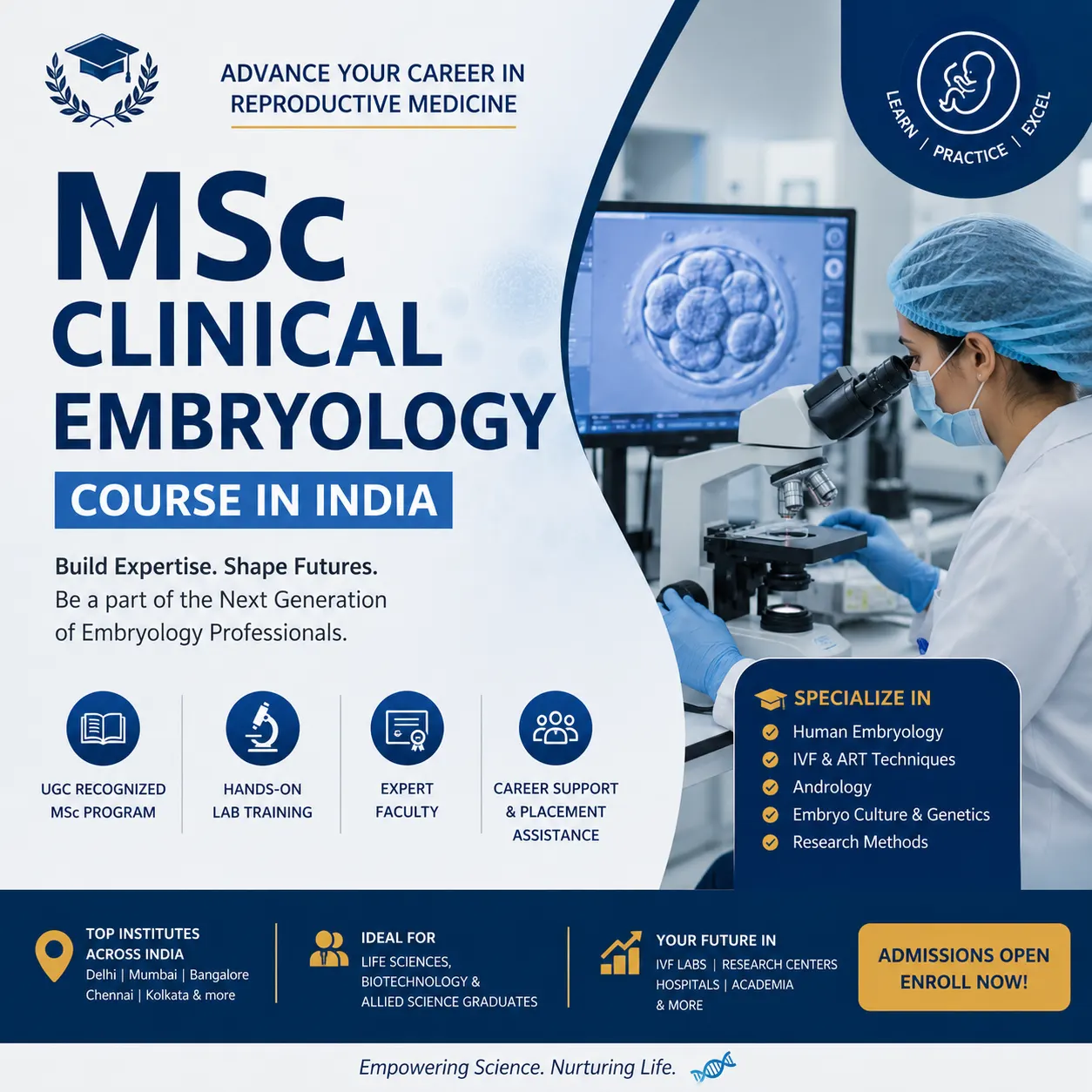 MSc Clinical Embryology