Reproductive Science Institute | Clinical Embryology Course
The landscape of reproductive healthcare and Assisted Reproductive Technology (ART) is expanding at an unprecedented pace across India. Driven by profound demographic changes, expanded diagnostic infrastructure, and rising institutional awareness of fertility solutions, the establishment of specialized fertility centers and dedicated IVF wings within multi-specialty hospitals has accelerated significantly. This rapid institutional growth has created a substantial, critical, and long-term demand for highly technical, laboratory-ready professionals who possess a firm grasp of cellular mechanics and clinical safety. To address this structural talent gap, EmbryoPath, operating as a premier Reproductive Science Institute in an elite academic collaboration with GD Goenka University, offers specialized courses engineered to transform life science graduates, biological science students, and medical career aspirants into highly proficient, ethical, and industry-ready clinical professionals.
While traditional undergraduate and postgraduate biological degrees provide an excellent and comprehensive understanding of general cellular biology, genetics, and biochemical theories, they rarely afford the rigorous, high-precision technical training required to manipulate and handle fragile, living human gametes. Operating within the high-stakes environment of an active IVF cleanroom demands meticulous muscle memory, strict adherence to aseptic techniques, and advanced familiarity with sophisticated diagnostic machinery. The programs at our specialized institute serve as a comprehensive educational bridge, converting academic scientific knowledge into practical, clinical competencies that are instantly recognized and highly valued by clinical directors, chief embryologists, and hospital recruitment panels across the contemporary healthcare market.
The Clinical Relevance of Specialized Reproductive Training
Working inside a modern fertility laboratory carries immense clinical responsibility and leaves zero margin for technical or operational error. Every distinct protocol, from basic semen analysis and processing to advanced micromanipulation techniques, directly impacts the viability of biological samples and the ultimate success rates of patient treatments. Because of these exceptionally high stakes, leading corporate fertility chains, private clinics, and reproductive research facilities prioritize candidates who have successfully completed their training at an organized, credible Reproductive Science Institute over those who only possess generalized or non-specialized scientific degrees.
A structured laboratory program ensures that students learn the exact fluid dynamics, strict environmental control measures, and digital documentation systems utilized by elite global fertility setups. By mastering these specialized procedures under controlled, simulated laboratory environments, students build the professional confidence and precise behavioral habits necessary to function as immediate operational assets. This minimizes the need for extensive on-the-job training phases when entering a clinic and places our students on an accelerated track toward senior clinical roles.
Eligibility Criteria for the Technical Programs
The highly technical and delicate nature of the clinical embryology curriculum requires candidates to possess a solid foundational background in life sciences, allied health sciences, or medical disciplines. The following eligibility criteria ensure that incoming trainees can effectively comprehend and execute the advanced biochemical, genetic, and cellular protocols taught throughout the course:
- B.Sc., M.Sc., or Ph.D. graduates in biological and life sciences streams, including Biotechnology, Microbiology, Zoology, Biochemistry, Genetics, or Molecular Biology.
- Medical graduates holding MBBS, BDS, BAMS, BHMS, or BVSc degrees looking to transition into reproductive endocrinology, fertility management, or laboratory operations.
- Allied health science graduates, including those with degrees in B.Sc. Nursing, Bachelor of Pharmacy, or Bachelor of Medical Laboratory Technology (BMLT/MMLT).
- Existing laboratory technicians, field researchers, and diagnostic professionals aiming to formalize, validate, and upgrade their specialized skillset according to updated national clinical guidelines.
Core Learning Outcomes and Technical Competencies
The primary objective of the programs at EmbryoPath is to instill precise, repeatable laboratory habits alongside deep scientific comprehension. Our educational framework focuses on technical outcomes that match the specific recruitment needs of modern fertility institutions, ensuring our graduates emerge as completely competent professionals.
1. Laboratory Instrumentation and Cleanroom Mechanics
Students achieve complete operational familiarity with standard cleanroom instruments. This includes mastering the workflow, calibration, and routine maintenance of laminar flow benches, stereomicroscopes, carbon dioxide/tri-gas incubators, heating stages, and specialized anti-vibration tables. Understanding the underlying engineering mechanics allows students to identify and troubleshoot subtle machine fluctuations













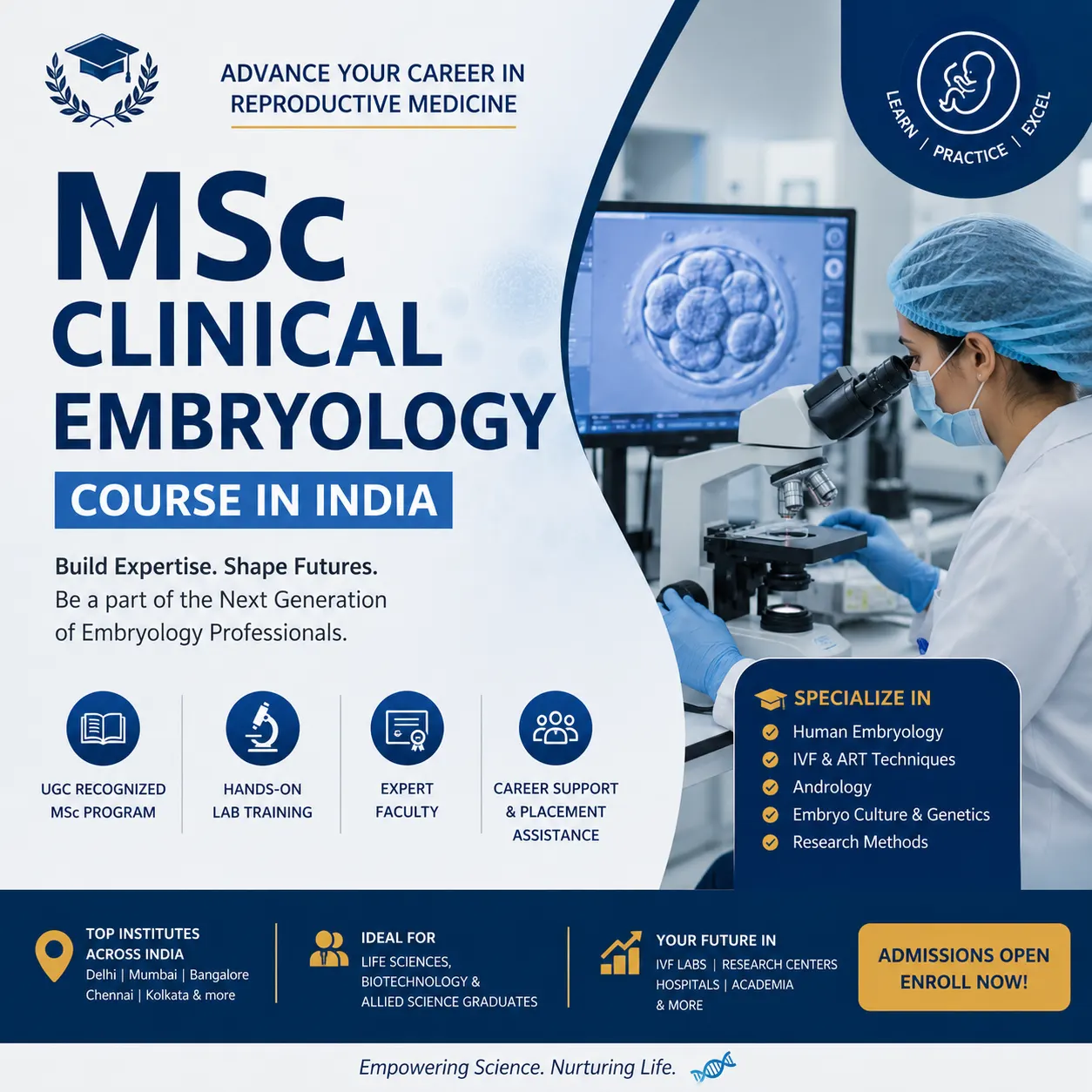 MSc Clinical Embryology