PG Clinical Embryology Eligibility | EmbryoPath
Understanding PG Clinical Embryology Eligibility is the first step for students who aspire to build a professional career in assisted reproductive technology (ART) and IVF laboratories. Clinical embryology is an advanced scientific discipline that combines reproductive biology, laboratory science, and modern fertility techniques to support infertility treatment. As the demand for qualified embryology professionals continues to grow in India, postgraduate education has become an excellent pathway for graduates seeking specialized knowledge and practical laboratory skills.
EmbryoPath, in academic collaboration with GD Goenka University, offers students an opportunity to pursue advanced education in clinical embryology through an industry-oriented learning approach. The program is designed to help eligible graduates strengthen their scientific understanding while developing practical laboratory competencies required in modern IVF settings.
What is PG Clinical Embryology?
Postgraduate Clinical Embryology is a specialized academic program that focuses on reproductive science, embryology laboratory procedures, assisted reproductive technologies, embryo culture, cryopreservation, gamete handling, quality assurance, laboratory ethics, and patient-centered scientific practices. The course bridges theoretical knowledge with practical exposure, preparing students for professional opportunities within fertility clinics, IVF laboratories, academic institutions, and research environments.
PG Clinical Embryology Eligibility Criteria
Students interested in pursuing postgraduate clinical embryology should possess an educational background relevant to biological or medical sciences. Eligibility requirements may vary depending on institutional guidelines and applicable academic regulations.
- Bachelor's degree in Life Sciences.
- Bachelor's degree in Biotechnology.
- Bachelor's degree in Microbiology.
- Bachelor's degree in Zoology.
- Bachelor's degree in Biochemistry.
- Graduation in Biomedical Sciences.
- Medical graduates where applicable.
- Veterinary Science graduates where eligible.
- Other related biological science disciplines as per admission norms.
Applicants are encouraged to review the latest admission guidelines before applying. Meeting the eligibility criteria allows students to progress toward acquiring specialized laboratory knowledge and advanced reproductive science competencies.
Why Eligibility Matters
Clinical embryology involves highly specialized laboratory procedures that require a strong understanding of biology, genetics, cell science, physiology, and laboratory practices. A relevant undergraduate education provides the academic foundation necessary for understanding complex reproductive technologies. Eligibility standards help ensure that students entering the program possess the scientific background needed to benefit from advanced coursework and practical laboratory learning.
Skills Students Develop During the Course
Eligible candidates joining a postgraduate clinical embryology program gain both scientific knowledge and professional laboratory skills. Throughout the course, students are introduced to modern reproductive technologies while learning to maintain quality standards expected within IVF laboratories.
- Fundamentals of reproductive biology.
- Human embryology concepts.
- Gamete handling techniques.
- Embryo culture procedures.
- Cryopreservation principles.
- Laboratory quality management.
- Microscope handling and laboratory equipment.
- Ethical and professional laboratory practices.
- Documentation and quality assurance.
- Research methodology and scientific interpretation.
Learning Outcomes
Upon successful completion of postgraduate clinical embryology education, students are expected to demonstrate a deeper understanding of reproductive science and laboratory operations. They learn scientific reasoning, laboratory protocols, quality management principles, and professional communication skills required in multidisciplinary fertility care environments.
The learning experience also emphasizes analytical thinking, precision, laboratory safety, ethical decision-making, and continuous professional development. These competencies support graduates as they prepare for careers in evolving reproductive medicine and assisted reproductive technology.
Why Choose EmbryoPath?
EmbryoPath is committed to delivering quality education in clinical embryology with a curriculum that reflects current industry expectations. Through its academic collaboration with GD Goenka University, students benefit from structured academic learning combined with practical orientation.
- Industry-focused curriculum.
- Academic collaboration with GD Goenka University.
- Experienced faculty members.
- Modern laboratory-oriented learning approach.
- Strong emphasis on practical understanding.
- Comprehensive academic support.
- Professional learning environment.
- Career-oriented educational guidance.
- Focus on scientific ethics and quality standards.
- Preparation for emerging opportunities in reproductive sciences.
Career Scope After This Course
Clinical embryology continues to gain importance as fertility services expand across India and internationally. Graduates who meet institutional and professional requirements may explore opportunities in IVF laboratories, reproductive medicine centers, fertility clinics, academic institutions, biotechnology organizations, diagnostic laboratories, and research facilities.
Potential career pathways include Clinical Embryologist, IVF Laboratory Professional, Research Associate, Laboratory Coordinator, Academic Trainer, Reproductive Science Educator, Quality Assurance Professional, and Scientific Research Assistant. Career opportunities vary depending on educational qualifications, practical training, institutional requirements, and applicable professional regulations.
Importance of Practical Learning
Modern clinical embryology education extends beyond classroom instruction. Practical laboratory exposure enables students to understand standard laboratory workflows, equipment handling, documentation practices, quality management systems, and scientific observation techniques. A balanced combination of academic knowledge and laboratory-based learning helps students build confidence while preparing for future professional responsibilities.
Who Should Apply?
This program is suitable for graduates who are passionate about reproductive science, laboratory medicine, biological research, and assisted reproductive technology. Individuals who enjoy precision-based scientific work, laboratory procedures, and continuous learning often find clinical embryology to be a rewarding academic and professional field.
Admission Guidance
Students interested in postgraduate clinical embryology should carefully review eligibility requirements, academic qualifications, admission timelines, and application procedures before submitting their applications. Preparing academic documents, maintaining accurate educational records, and understanding institutional requirements can help ensure a smooth admission process.
EmbryoPath provides admission guidance to help prospective students understand program expectations, eligibility criteria, documentation requirements, and the overall admission journey. Applicants are encouraged to seek official guidance to make informed educational decisions.
Apply for Admission Guidance
If you are planning a future in reproductive science and want to understand PG Clinical Embryology Eligibility in greater detail, connect with EmbryoPath for admission guidance. The academic team can assist you in understanding eligibility requirements, application procedures, program structure, and educational pathways offered in academic collaboration with GD Goenka University. Begin your journey toward specialized education in clinical embryology with reliable academic support and informed guidance.
Frequently Asked Questions
1. Who is eligible for a PG Clinical Embryology course?
Eligibility generally includes graduates from life sciences, biotechnology, microbiology, zoology, biochemistry, biomedical sciences, medicine, veterinary sciences, or related biological disciplines. Individual institutions may have specific academic requirements and admission policies. Applicants should always review the official eligibility guidelines before applying to ensure they satisfy the required educational qualifications.
2. Is prior IVF laboratory experience required for admission?
Many postgraduate programs do not require previous IVF laboratory experience for admission. Students with an appropriate academic background are typically considered eligible if they satisfy institutional admission criteria. Practical laboratory learning is usually incorporated into the course to help students develop professional competencies under academic supervision.
3. What subjects are covered during postgraduate clinical embryology education?
The curriculum commonly includes reproductive biology, embryology, assisted reproductive technologies, embryo culture, cryopreservation principles, laboratory quality management, reproductive genetics, laboratory ethics, documentation practices, and scientific research methodology. Course content may differ according to university regulations and institutional curriculum design.
4. What career opportunities are available after completing the course?
Graduates may explore opportunities in IVF laboratories, fertility clinics, reproductive medicine centers, research institutions, academic organizations, biotechnology companies, and laboratory quality management roles. Employment opportunities depend on educational qualifications, practical training, employer requirements, and applicable professional standards.
5. Why should students choose EmbryoPath?
EmbryoPath offers an industry-focused educational environment with academic collaboration through GD Goenka University. The institution emphasizes structured learning, scientific knowledge, laboratory orientation, experienced faculty, and career-focused education. Students benefit from a curriculum designed to support professional development in clinical embryology and reproductive sciences.
6. How can students apply for admission?
Prospective students can begin by reviewing the eligibility criteria, preparing academic documents, and following the official admission process provided by EmbryoPath. Seeking admission guidance helps applicants understand documentation requirements, program expectations, important timelines, and the steps involved in completing a successful application for postgraduate clinical embryology education.




















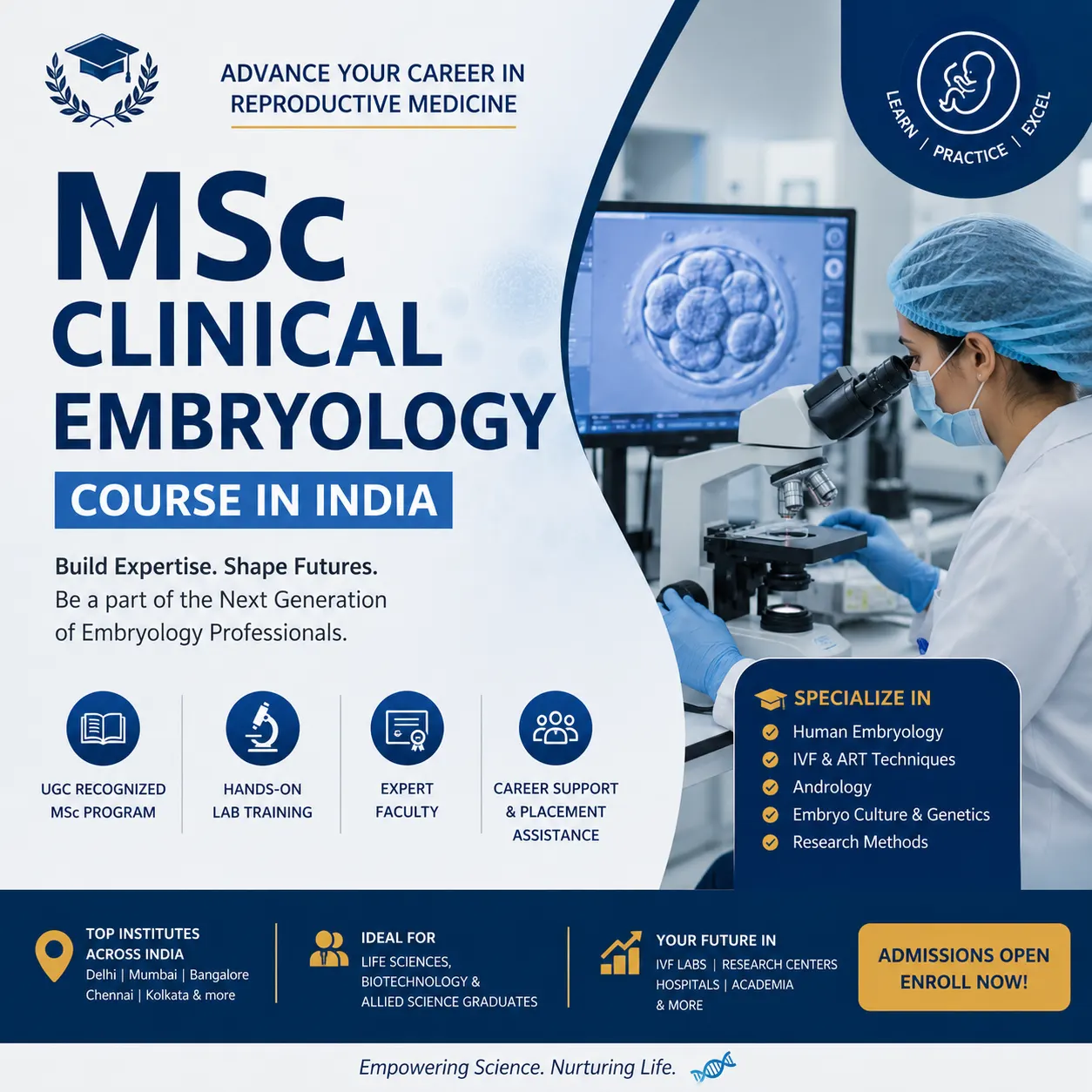 MSc Clinical Embryology